
October 10, 2026


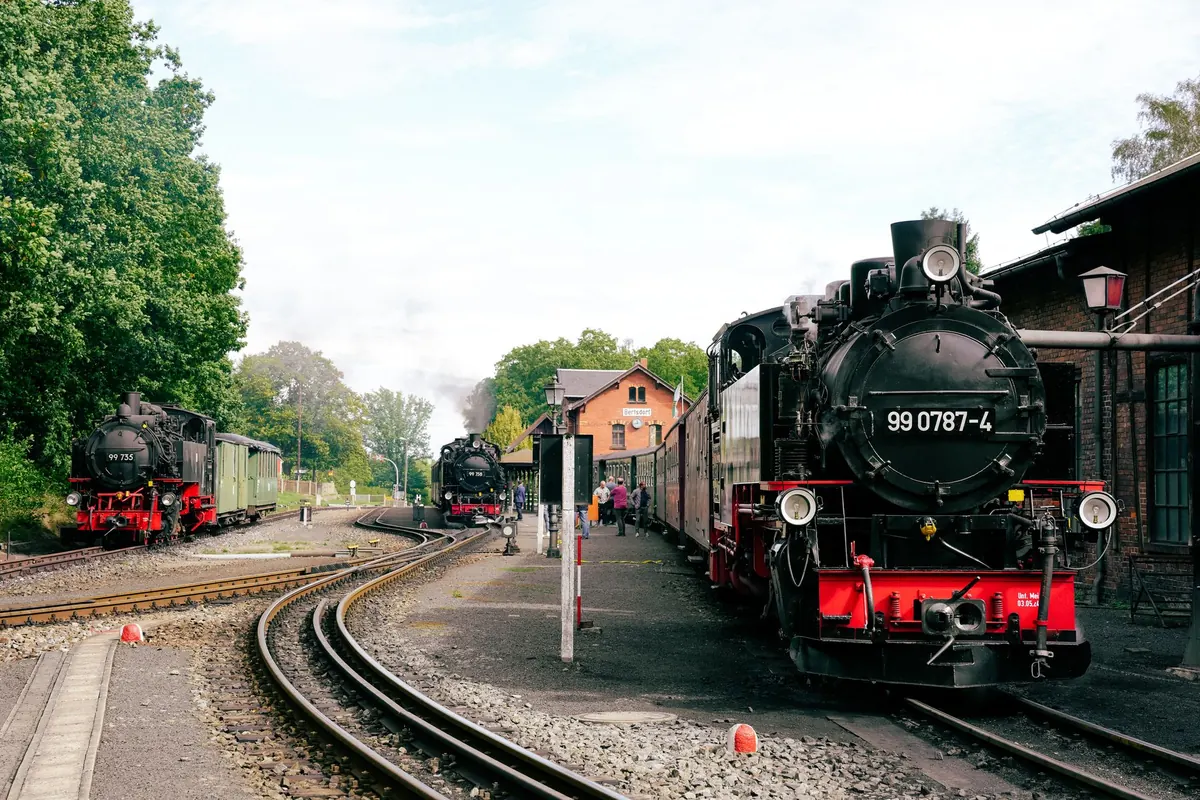
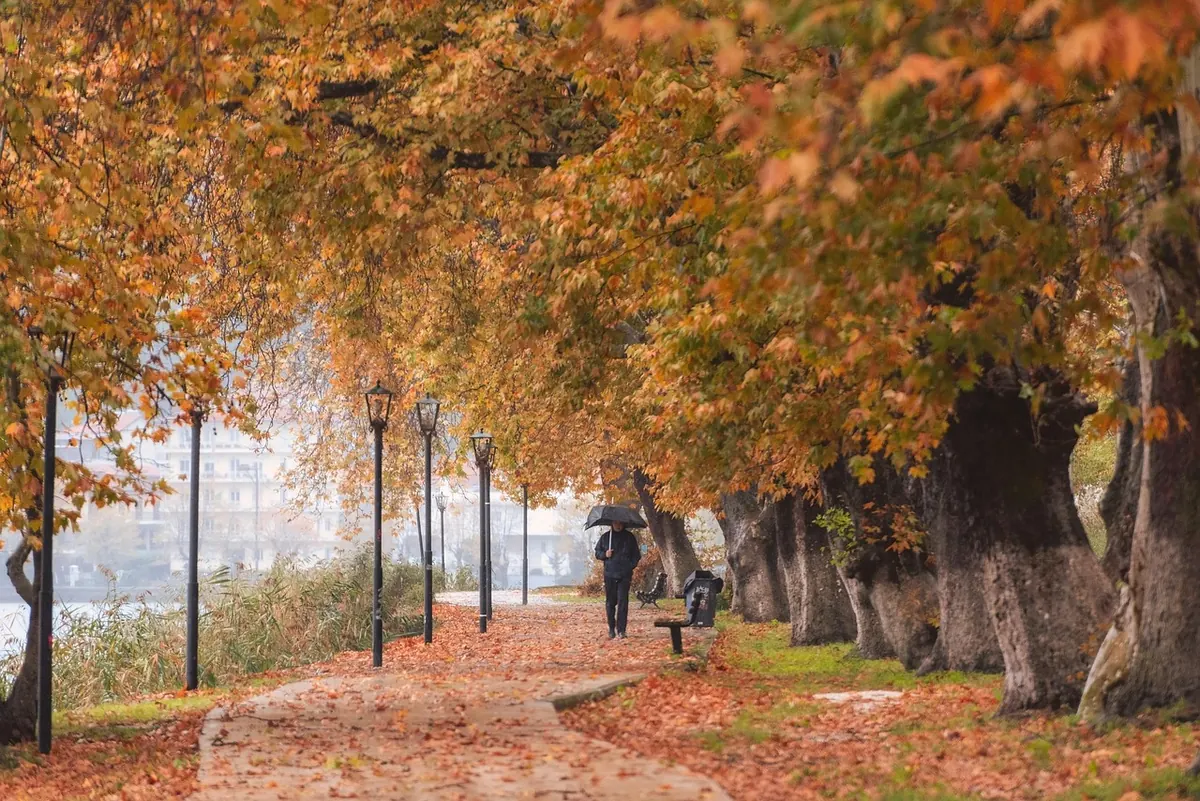
Walking from A to B is more satisfying than walking in a circle, and it solves a practical problem at the same time. Leave the car at home and you finish somewhere new: a village with a station, a bus stop outside a pub, a ferry pier. The catch is that public transport sets your pace, not the other way round. Plan around the timetable and a multi-day walk becomes straightforward. Ignore it and you will spend an afternoon striding along a verge towards a bus that left ten minutes ago.
Look at the rail and bus network before you look at the hills. Pick two points with a workable service between them — a station at each end is ideal, but one station plus a bus link is often just as good. Then find a footpath between them, following waymarked long-distance trails where you can. They pass through villages with beds and buses, which is exactly what a linear route needs.
Distance matters less than shape. A 60 km route with three villages spread along it beats a 45 km route with a 25 km gap in the middle where nothing runs and nowhere sleeps.
This is the part most people do last, and it should be first. Nearly every problem on a public transport hike traces back to a service someone assumed would be there.
Use the National Rail journey planner or a ticket retailer to see what actually runs, then read the ticket conditions carefully. Advance fares are cheap but tied to one specific train. If your ridge walk takes longer than expected and you miss it, that money is gone. Off-Peak and Anytime tickets cost more but let you take the next service, which on a long walk is often worth every penny. On longer journeys, splitting the trip into separate tickets can reduce the price, though the train normally needs to call at the station where you split. Railcards work on trains and some coach services, not on local buses. Where it is available, a PlusBus add-on bought with your rail ticket gives unlimited bus travel around the destination town.
Rural buses are the fragile part of any plan. Timetables shift with the seasons: Sunday services are rare, some routes run only on market days or during school terms, and summer-only networks such as DalesBus or the Snowdon Sherpa do far more work than most walkers realise. Traveline's regional sites search bus, coach, rail and ferry in one place, which saves a lot of cross-referencing.
Then check the small print. Request stops mean you must signal the driver clearly. Some routes are hail-and-ride. Some quietly stop running in October. Screenshot everything before you leave, because phone signal disappears in exactly the valleys where you will want to confirm whether the 16:40 runs on a Saturday.
A good overnight stop is one where you can eat, sleep and leave without calling a taxi. Villages with a station, a pub and a small shop are worth routing towards even if it adds a few kilometres to the day. Book ahead for weekends and school holidays; rural rooms fill quickly, and arriving unannounced out of season is a gamble.
Campsites are an option, and many are used to walkers turning up on foot. Wild camping is another matter, and the rules differ across the UK. Scotland's access legislation allows responsible wild camping in many places, while in England and Wales you generally need the landowner's permission, and some popular areas have their own bylaws and permit schemes. Check the current local guidance rather than trusting what you read a few years ago.
There are three sensible approaches, roughly in order of comfort:
Plan food at the same time. Village shops can be tiny and shut on Sundays, so carry a day's buffer rather than assuming you can resupply at the next stop.
Every day should have at least one place where you can stop early: a village with a bus, a road crossing, a pub with signal and a phone. Mark these on your map before you go, with the last realistic bus time written beside them. If the weather turns, you want options that do not involve walking in the dark.
Then do the arithmetic on timings. As a rough rule of thumb, allow an hour for every 5 km on easy ground, plus an extra hour for every 600 m of ascent, and add on time for rests, gates and photographs. Most people overestimate their pace, particularly on day three.
Do that and the transport stops being a risk and becomes part of the trip. If you are managing a health condition, or heading somewhere remote, speak to your GP beforehand and check what your insurance covers for walking. The best multi-day hikes by public transport are the ones where the bus home is a certainty rather than a hope — and where the only thing left to decide is what to eat when you get there.
Photo: Riedelmax . / Pexels
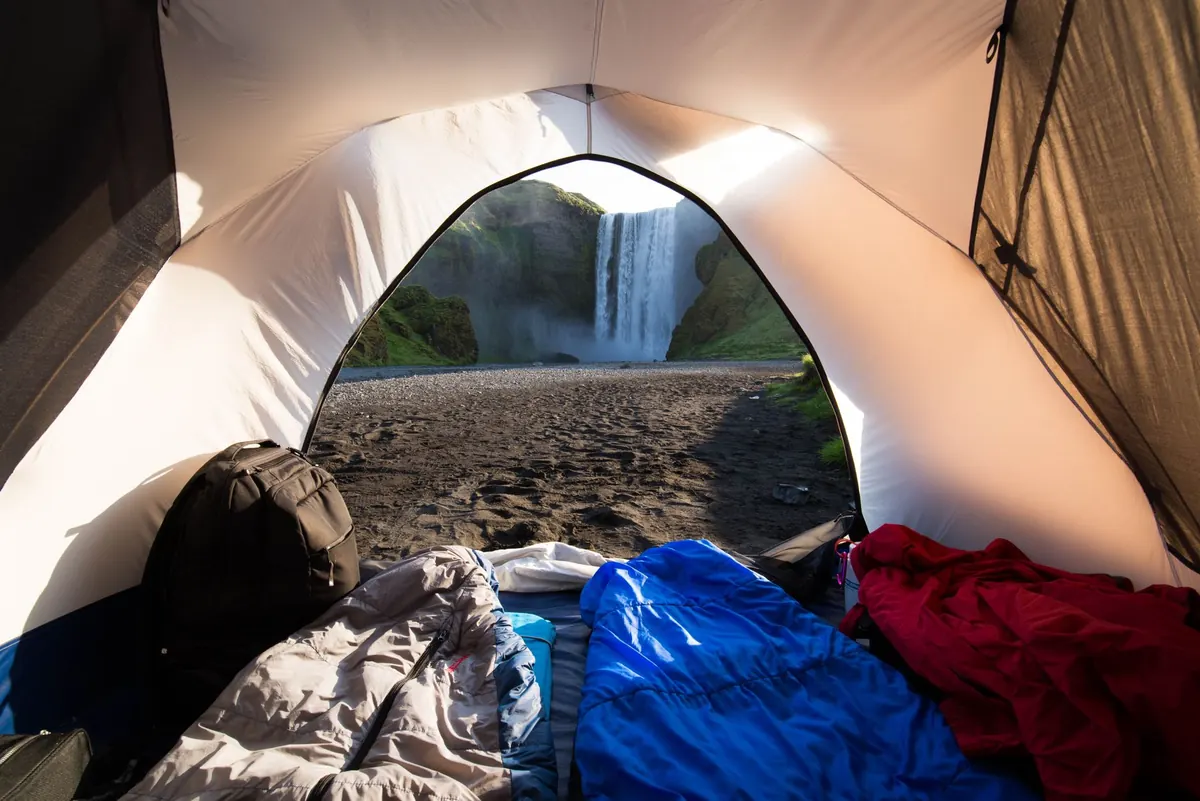
Explore the path less travelled.
Copyright © 2026 Sable Path. All rights reserved. Sable Path.