October 10, 2026


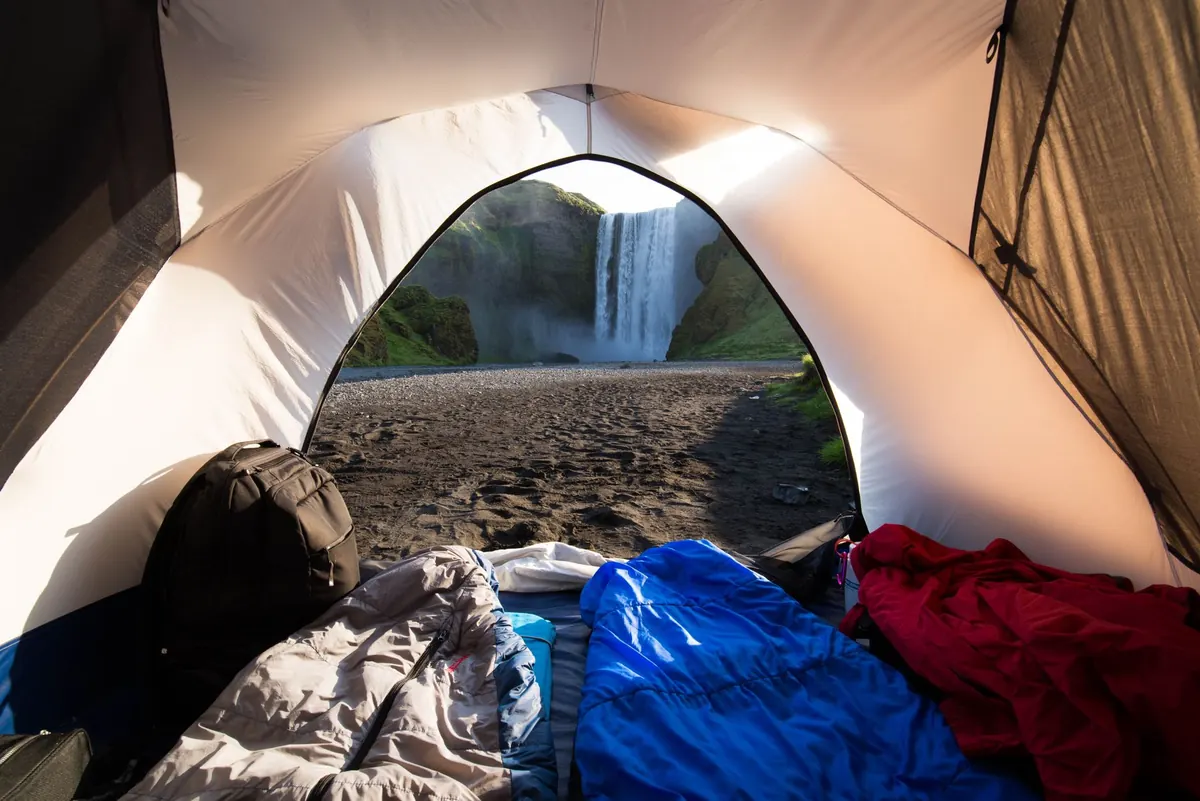
British camping has a way of being colder than it looks. You pitch in warm evening sun, cook with your jacket off, then wake at three in the morning curled into a ball, listening to the wind push through the tent. The culprit is rarely the tent. It is almost always the sleeping bag, and the mat underneath it, working against a climate that is damp, breezy and often several degrees colder than the forecast suggested.
Three-season and four-season bags are the two broad answers campers reach for, and the gap between them is bigger than most shop labels admit. Understanding what a rating really means, and how fill and shape affect your night, makes the choice far easier.
Three-season is the catch-all term for spring, summer and autumn camping. A typical three-season bag has a comfort rating somewhere between roughly 0°C and +8°C, weighs between about 700g and 1.8kg depending on fill, and packs down enough to sit in the bottom of a rucksack without a fight.
Four-season, sometimes sold as winter or expedition, pushes that comfort rating down to around -5°C to -15°C. It brings more fill, a thicker hood, often a draft collar, and a heavier shell fabric that resists wind and spindrift. The weight penalty is real: expect a four-season bag to weigh roughly a kilogram and a half upwards in down, and noticeably more in synthetic.
Treat the season label as a rough family grouping rather than a guarantee. It is not a formal measure, and brands apply it loosely. The temperature ratings on the label are the numbers worth reading.
Most bags sold in the UK carry ratings tested to a recognised standard, usually shown as three figures:
The test assumes a base layer, a mat with some insulating value, and no wind inside the tent. Real nights rarely match that tidy setup, so treat the comfort figure as the floor rather than the target. A useful habit is to buy a bag rated about 5°C colder than the coldest night you expect to meet.
Damp air carries heat away from a sleeping bag, and British campsites specialise in damp air. A bag that feels generous in a dry alpine valley can feel thin on a misty night in the Lakes or a sea-level site in Cornwall. Wind adds to it, slipping through gaps in the flysheet and stripping warmth from the shell.
Ground chill matters just as much. A sleeping bag insulates the top and sides of you; the mat handles what is underneath. Pair a serious winter bag with a thin summer foam mat and you will still sleep cold, because the cold comes up through the floor. If you are shopping for colder trips, budget for a mat with a decent insulation value at the same time.
You also sleep colder when you are tired, hungry or dehydrated. A hot meal, a full water bottle and a warm hat do more for a cold night than an extra hundred grams of fill.
Down offers the best warmth for its weight and packs down small, which is why backpackers favour it. Its weakness is moisture. Damp down loses loft and stops trapping air, and once a bag is wet it takes a long time to dry. Hydrophobic treatments help, and a dry bag inside your rucksack plus a waterproof liner in the tent protects the investment.
Synthetic fill is heavier and bulkier for the same warmth, but it keeps working when damp and dries faster. For wet-weather trips, coastal camps, and anyone who regularly packs up a soggy tent, synthetic is the lower-stress choice. It also costs less and tolerates rougher washing, though it loses loft over years of use.
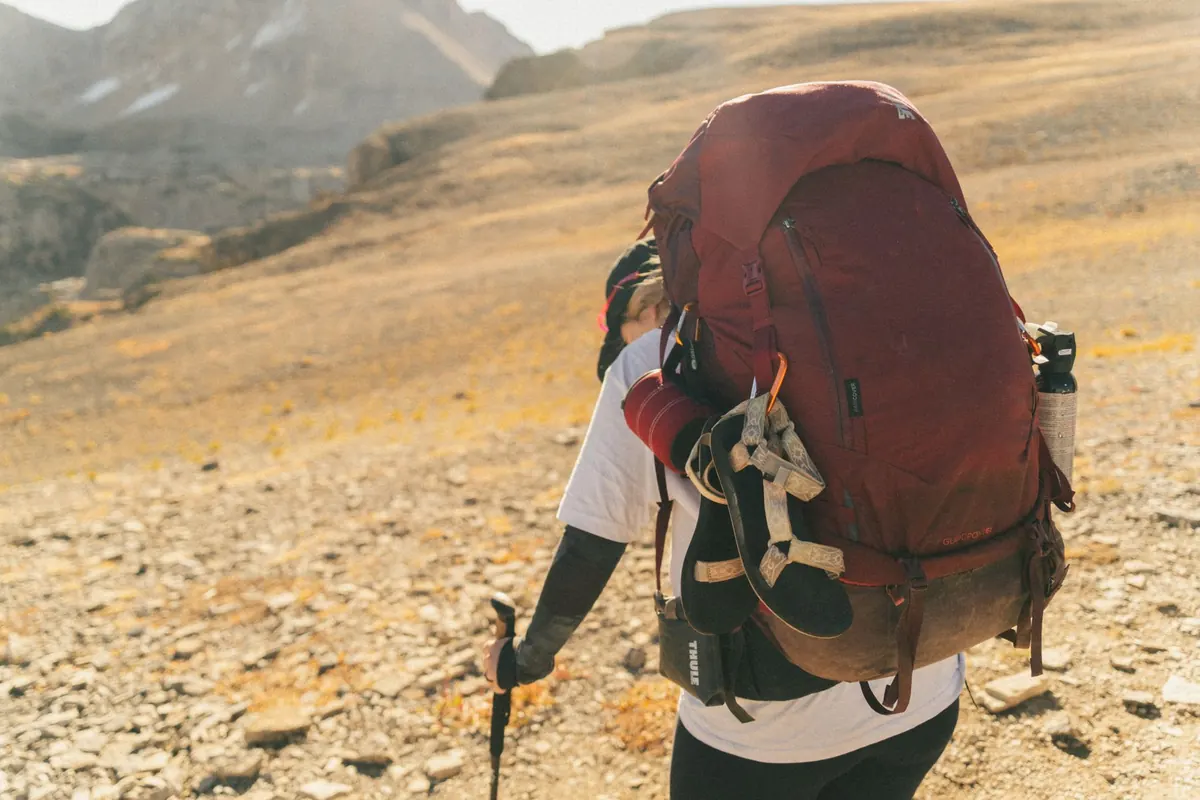
For backpacking, weight and volume decide which bag actually leaves the house. A down three-season bag at around 900g and eight litres of pack space is a very different proposition from a synthetic winter bag at twice both. If you are carrying the kit on your back, that difference is felt on every climb.
For car camping, weight barely matters. Buy warmth, width and a comfortable hood instead of shaving grams you will never notice.
Mummy bags are efficient because there is less space to heat, but restless sleepers and side sleepers often find them restrictive. Semi-rectangular shapes sit between the two and suit most UK campers well. Whatever the shape, check for a hood you can cinch, a draft collar around the shoulders, and a zip with a baffle behind it. Cold air entering through an uninsulated zip is one of the most common reasons people feel their bag has underperformed.
Get the rating, the fill and the mat right and most British nights stop being a battle. Choose a bag for the trips you take rather than the trips you imagine, and it will earn its place in the pack for years.
Photo: Andrew Main Oster / Pexels
Explore the path less travelled.
Copyright © 2026 Sable Path. All rights reserved. Sable Path.