October 10, 2026


You can tell a lot about a campsite by what gets left behind. A ring of blackened stones. A scatter of orange peel someone honestly believed would rot by morning. A flattened patch of bilberry where a tent spent a single night and the ground will take months to forget.
Leave No Trace isn't a badge or a qualification. It's a set of habits, and most of them are simpler than the litter they prevent. Here's what that looks like in practice in the UK, from lowland woods to peat bogs to the crowded car park at the end of a popular path.
Most damage is decided before anyone pulls on their boots. The ground you choose, the size of your group, whether fires are allowed, whether the birds are nesting: all of it is easier to sort at home than on the hill.
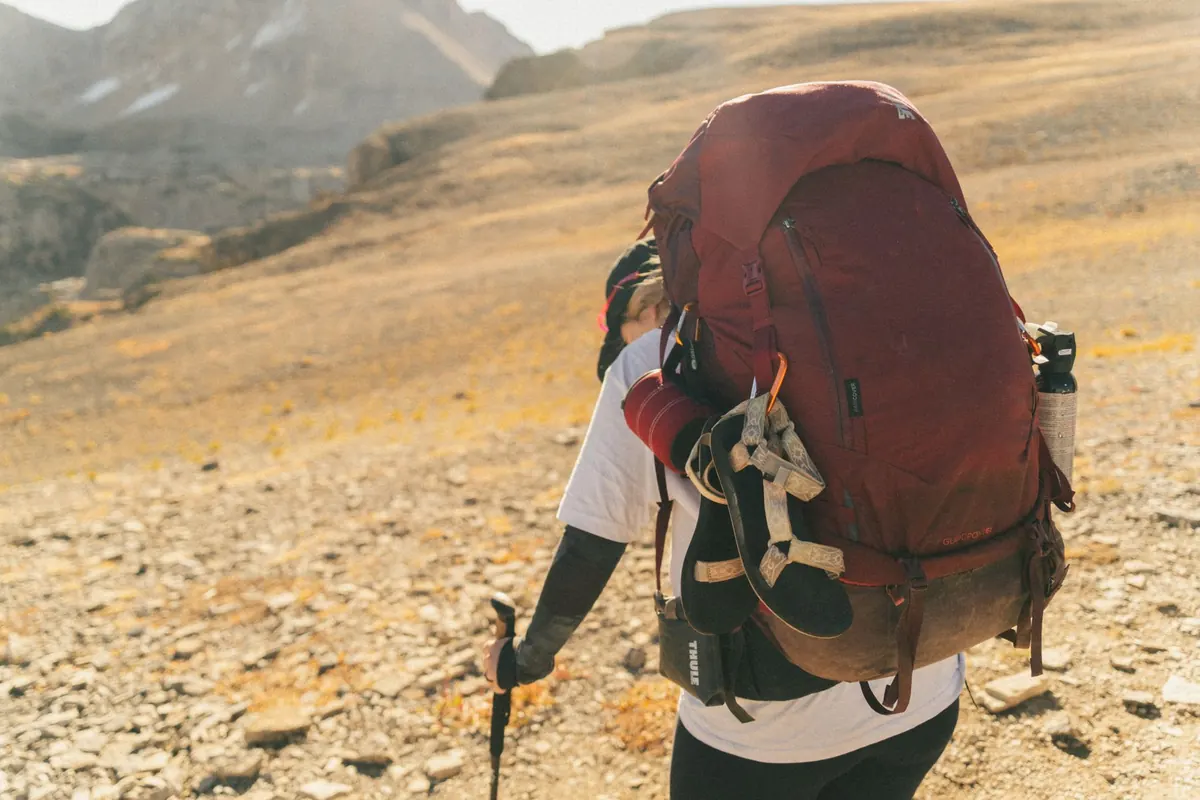
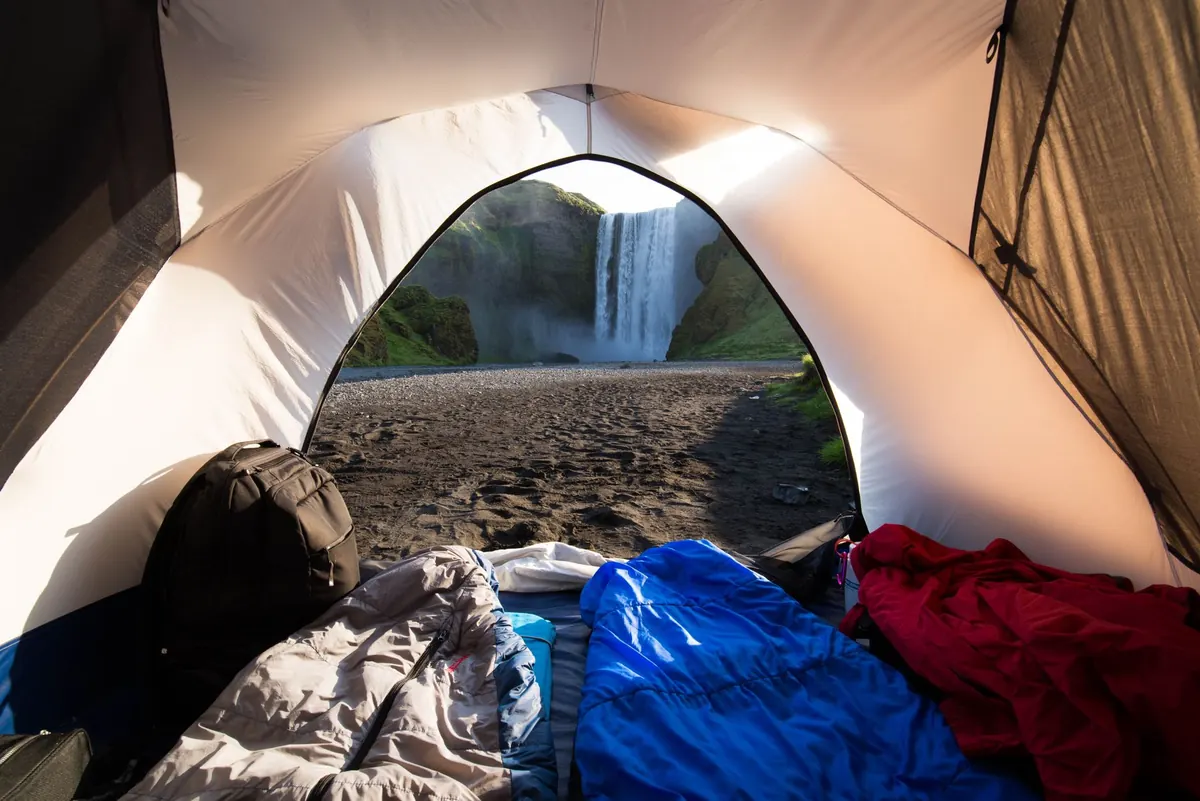
A tent left for one night on moss or tussock grass leaves a bruise that lasts for months. Pitch on bare ground, gravel, sand, rock or an established pitch that's already worn. Camp above the high-water line, at least 30 metres from any loch, stream or tarn, and well away from a path — the shortcut you wear onto a riverbank becomes the shortcut fifty people wear next month.
Keep it small, keep it late, keep it short. In the morning, look back at where the tent was. If you can see exactly where it stood, spend five minutes fluffing the grass back up. It's not vanity. It's the difference between a place that can absorb one visit and a place that gets fenced off after the hundredth.
A fire scar can last a decade. On peat — the Peak District, the Flow Country, much of the uplands — it can last far longer, and a stray spark in a dry spring can take out a square mile before anyone gets a hose to it.
So: check whether fires are allowed, and assume they aren't unless you know otherwise. Disposable barbecues are banned outright in many national parks and on most moorland, and for good reason. If a fire is genuinely permitted, use an existing hearth or bring a fire pan, keep it small, and don't strip living wood or tear down standing deadwood, which is habitat. Burn only what you carried in, drown the ashes until they're cold to the touch, and scatter them. Never leave a ring of stones behind. That isn't a fireplace, it's a scar with a bow on it.
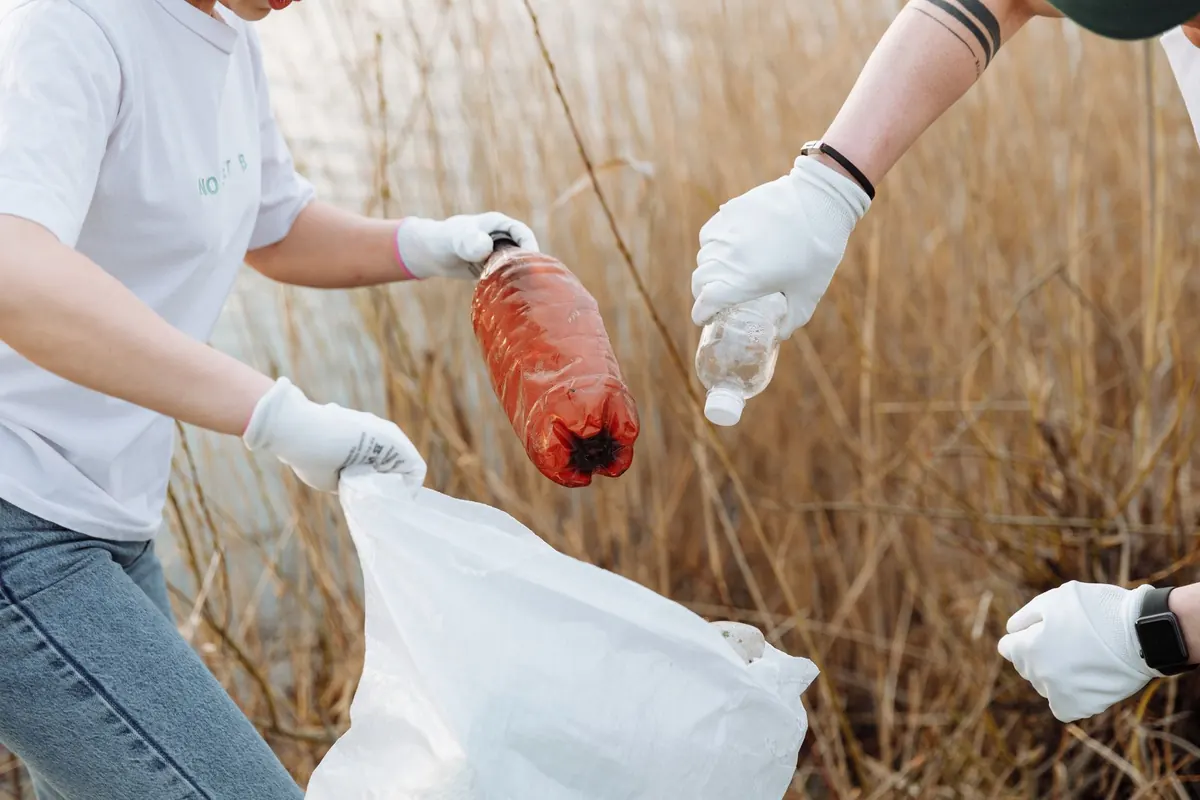
Orange peel, apple cores, banana skins, tea bags and nutshells are litter with good PR. They are slow, they are visible, and they draw in rats, crows and gulls that then hang around campsites for weeks. If you carried it up the hill, carry it back down — including the bits you'd rather not think about.
March to July is the fragile window. Curlew, lapwing, ring ouzel and skylark nest on the ground, often right beside a path, and a dog off the lead, a drone overhead or a shortcut across a heather bank can empty a nest in minutes.
Give animals room. Keep back from red deer in the rut, seals hauled up on a beach, and adders sunning on a rock. Never feed anything, however charming it looks, because a fed animal becomes a bold one and a bold one usually gets shot, moved or hit. Keep the noise down at dusk and dawn, when most of the wildlife you came to see is actually awake.
Sound carries further than litter. Music on a hillside is heard by everyone within a kilometre, and none of them came out here for your playlist. Keep voices low after dark, keep lights pointed down, and remember that a bothy is a shared shelter, not a private venue.
The small courtesies count too. Close gates, or leave them exactly as you found them. Don't block passing places on a single-track road, even for five minutes. Park so the next car, the next tractor and the next ambulance can get past. Walk on the durable side of a path when it's wet, rather than around the puddle, which is how paths become six metres wide.
Leave No Trace isn't about being invisible. It's about being forgettable — the kind of visitor a place can absorb without changing.
None of this is heroic. It's a trowel, a bin bag and the willingness to walk twenty metres further than you'd like. Do it once and it stops feeling like a rule and starts feeling like the reason the place was worth walking to in the first place.
Photo: Thirdman / Pexels
Explore the path less travelled.
Copyright © 2026 Sable Path. All rights reserved. Sable Path.