October 10, 2026


Scotland is small enough to cross in a day and varied enough that wild camping in it changes beyond recognition between seasons. A February pitch on frozen ground in a Highland glen has almost nothing in common with a June evening where you sit outside until midnight watching the light refuse to go. Same tent, same hills, a completely different trip.
Midwinter gives you roughly six hours of usable daylight, less the further north you go. The sun can rise after half eight and be gone before four. That means short days: plan ten to fifteen kilometres rather than twenty-five, and be willing to stop early. Long nights are part of the appeal if you're prepared — a decent mat and bag, a book, a stove for hot drinks — and miserable if you're not.
Midsummer flips it. In the far north it barely gets properly dark; even in the Central Belt you can still see well enough to walk at eleven at night. The temptation is to keep going. Resist it. Pitch with an hour of light left so you can cook, sort water and settle in, rather than collapsing at midnight and eating a cold snack in the dark.
Midges are the thing people ask about most, and the honest answer is that they're a warm-season problem. They generally appear from late May and fade by September, with July and August the worst. They're most persistent at dawn and dusk, in still, damp air, and they struggle in wind, bright sun and on higher, exposed ground. A few habits make a big difference:
Ticks are the other seasonal nuisance, active mostly from spring through autumn in long grass, bracken and deer country. Tuck trousers into socks, check yourself properly at the end of the day, and remove any attached tick carefully with fine tweezers close to the skin. If you later notice a spreading rash or feel unwell, contact your GP or call NHS 24 on 111 — early treatment matters. That's general advice; seek proper medical help if you're worried.
Ground conditions change more than most people expect. Spring is wet: bogs hold water, burns run high with snowmelt, and snow can linger on high ground into May. River crossings are the real hazard — if a burn looks fast or brown, walk upstream or simply don't cross.
Summer dries everything out, which is pleasant until you try to peg a tent into ground like tarmac. Take a few sturdy rock pegs and expect to use stones as anchors. Water sources shrink, so plan where you'll refill. In dry spells, use a stove only; heather and grass fires start easily and spread fast.
Autumn softens the ground again, the midges ease off after the first proper frosts, and darkness returns quickly. Winter hardens it. Pegs won't go into frozen ground, so carry snow stakes or fill stuff sacks with snow as deadman anchors, weighting them with rocks where the snow is thin.
Winter wild camping in Scotland is superb and unforgiving. The challenges are less about temperature than everything else the season brings: short days, deep snow, avalanche risk on steep slopes, cornices, and navigation in whiteout. Check the Scottish Avalanche Information Service forecasts and a mountain weather forecast before you go, and be honest about your experience. A first winter camp is best done low, near a road, on a settled and calm forecast.
Details that matter in winter include a four-season tent that sheds snow, a mat with a high R-value, a stove that works in the cold with more fuel than you think you need, and an insulated bottle with a spare kept inside your sleeping bag so it doesn't freeze. Melting snow for water is thirsty work; it takes fuel and patience to produce a litre, so budget for it.
Scotland's access rights, under the Land Reform (Scotland) Act 2003, include lightweight camping on most unenclosed land. That's what makes wild camping here different from England and Wales. Those rights come with responsibilities and exceptions: they don't cover enclosed fields, ground close to buildings, or anywhere you'd cause damage or disturbance. Motor vehicles aren't covered either.
Seasonal points to check before you travel:
Read the Scottish Outdoor Access Code, check the relevant national park authority, and take notice of signs on the ground. If a sign asks you to move on, move on.
Before any wild camp, run through the same short list and adjust it for the month you're going:
Then tell someone your plan and your expected return. In winter, that isn't optional.
Wild camping in Scotland rewards flexibility more than gear. The hills are the same in April and October; what you can do on them is not. Match your plan to the season, and every month has something worth going out for.
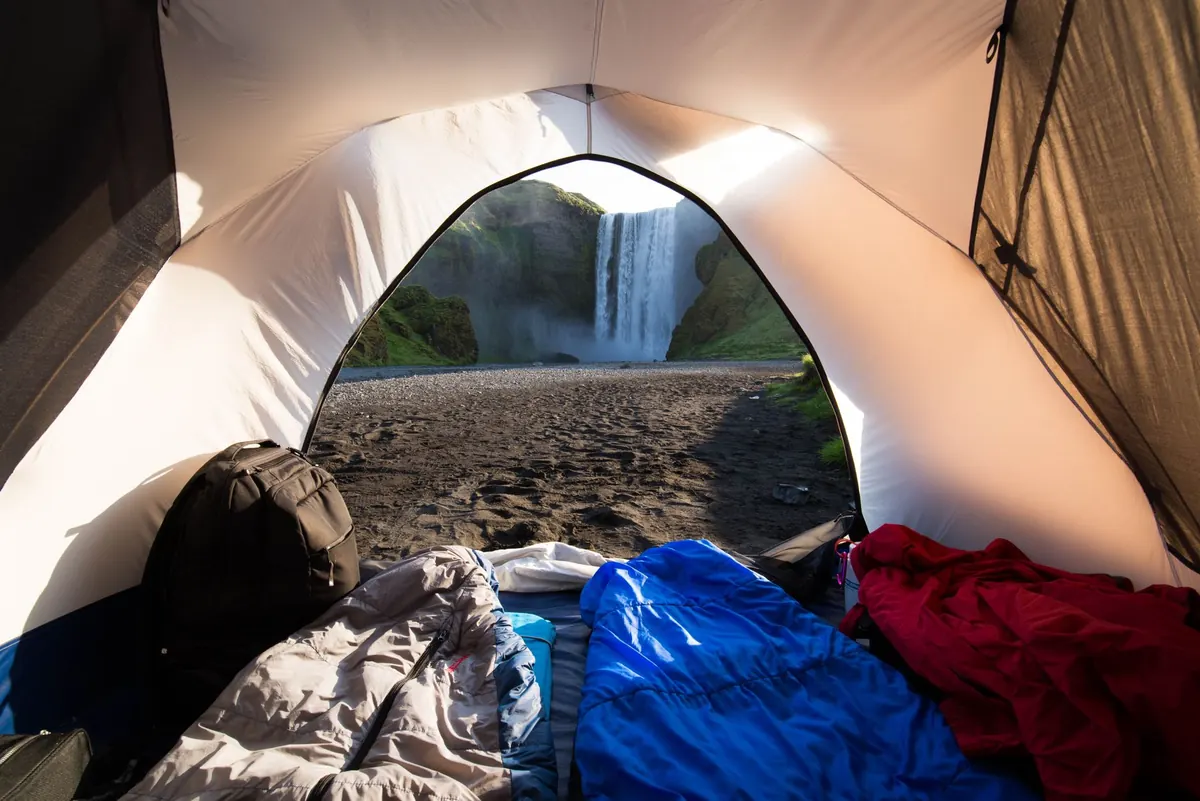
Photo: neelam279 / Pixabay
Explore the path less travelled.
Copyright © 2026 Sable Path. All rights reserved. Sable Path.